
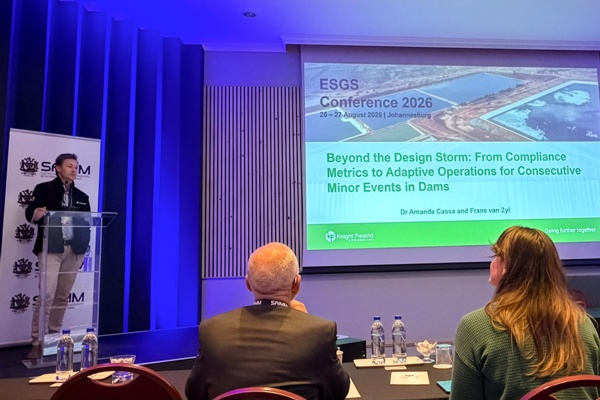
Knight Piésold Southern Africa Presents Sequence-Based Approach to Dam Safety at 2026 ESGS Conference
September 9, 2026, Sandton, South Africa – Knight Piésold Southern Africa presented a sequence-based approach to dam safety at the 2026 ESGS Conference, outlining a framework for assessing the performance of return water dams and linked tailings storage facilities under consecutive minor rainfall events.
The Southern African Institute of Mining and Metallurgy hosted the ESGS (Environmental, Social, Governance, Sustainability) Conference on 26–27 August in Muldersdrift, Gauteng. Following the inaugural conference in 2024, this year’s event centred on the theme “Climate Change in Mining,” exploring how the industry can adapt and innovate in the face of increasing climate challenges. The conference was structured around four pillars: risk, governance and finance, sustainability, and adaptability, and offered a wide-ranging technical programme across the two days.
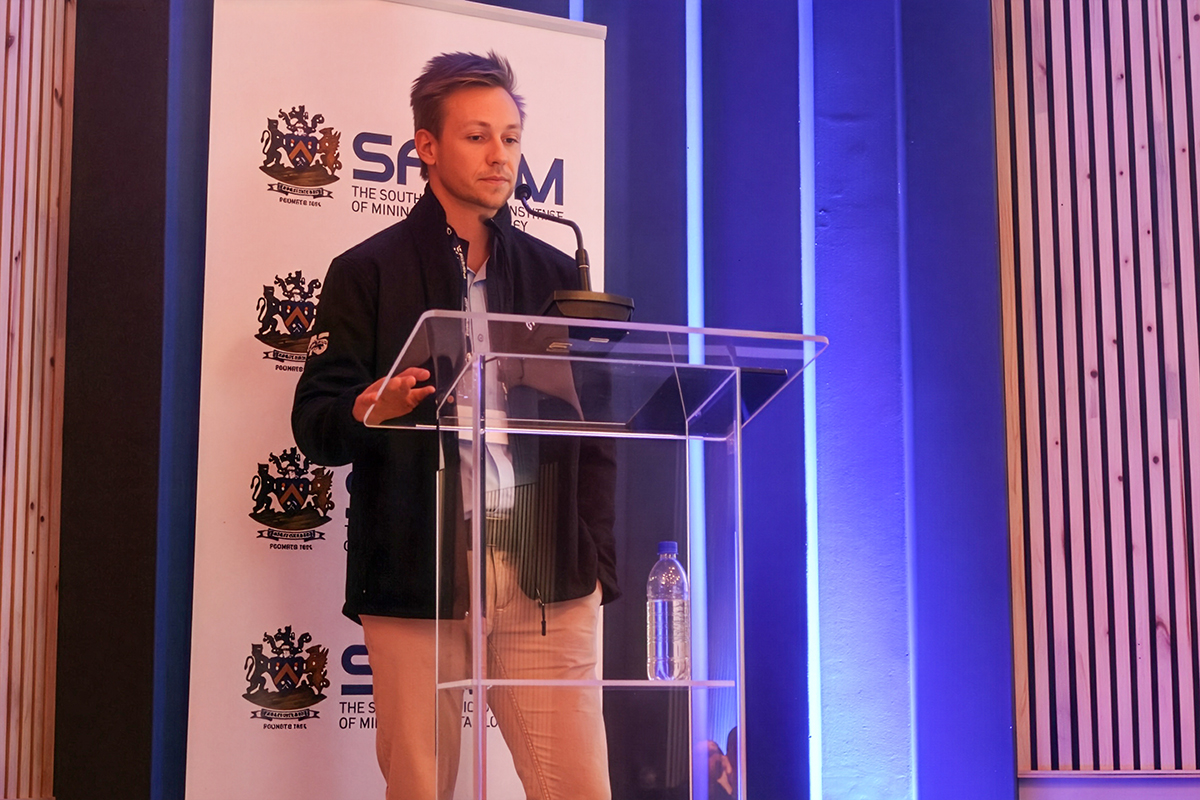
Dr. Amanda Cassa, Senior Civil Engineer, and Frans van Zyl, Civil Engineer, represented Knight Piésold at the conference, presenting their paper, “Beyond the Design Storm: From Compliance Metrics to Adaptive Operations for Consecutive Minor Events in Dams.” The paper was delivered by van Zyl during Session 1, held under the risk pillar, which focused on identifying the most critical risks facing the industry and informing adaptation strategies.
The paper argues that the conventional single-event design-storm approach, typically the 1‑in‑50 year 24-hour storm, does not adequately represent the operational risk posed by sequences of smaller storms over days to weeks. Using a case study from a South African mine site where 831 mm fell over 11 days in January 2026, roughly 145% of mean annual precipitation, the authors demonstrated that while individual daily events were only in the 5-year to 20-year range, the 72‑hour and 7-day accumulations approached the local 50-year design depths.
Their proposed sequence-based framework uses continuous water balance simulation, rainfall sequencing, antecedent moisture response, and climate stress testing to evaluate spill likelihood, freeboard exceedance risk, and recovery capacity. Together, these findings support a shift from a design storm mindset to a design sequence and adaptive operations framework for mine water systems.
Other presentations in Session 1 included developing climate-adjusted projected rainfall records for mine water risk assessment, bridging the gap from environmental impact assessments to corporate risk, advancing enterprise risk management in mining, and exploring how regional water stewardship can mitigate water stress in mining communities.
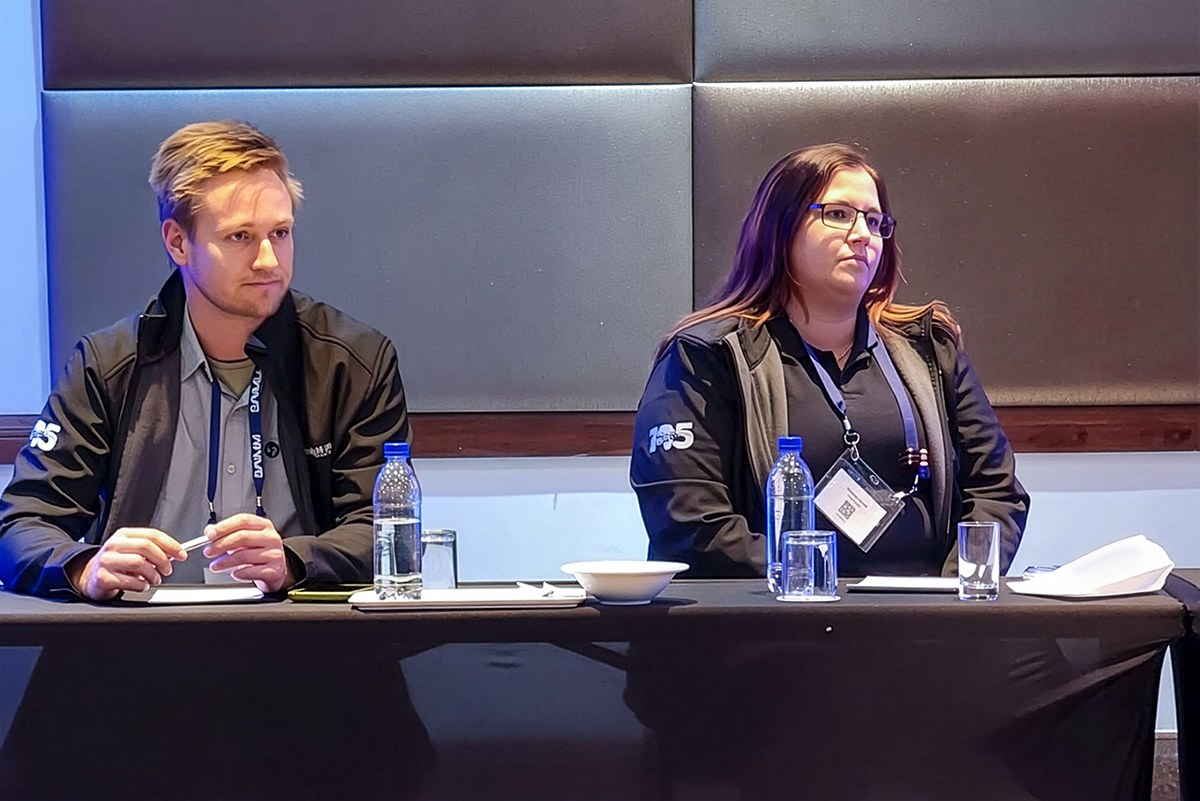
The Knight Piésold team also attended an informative panel and roundtable discussion addressing tailings risk through meeting climate change requirements of the Global Industry Standard on Tailings Management, from design through to closure.
“The conference discussions reinforced the importance of adaptive approaches to mine water management and dam safety in a changing climate,” said Dr. Cassa. “This reminds us that climate change affects everyone, and we each have a role to play in building a more sustainable future.”
By combining technical rigour with practical, site-specific insight, Knight Piésold continues to help mining clients across Southern Africa and beyond with resilient, adaptive mine waste and water management strategies to safeguard operations, communities, and the environment.